
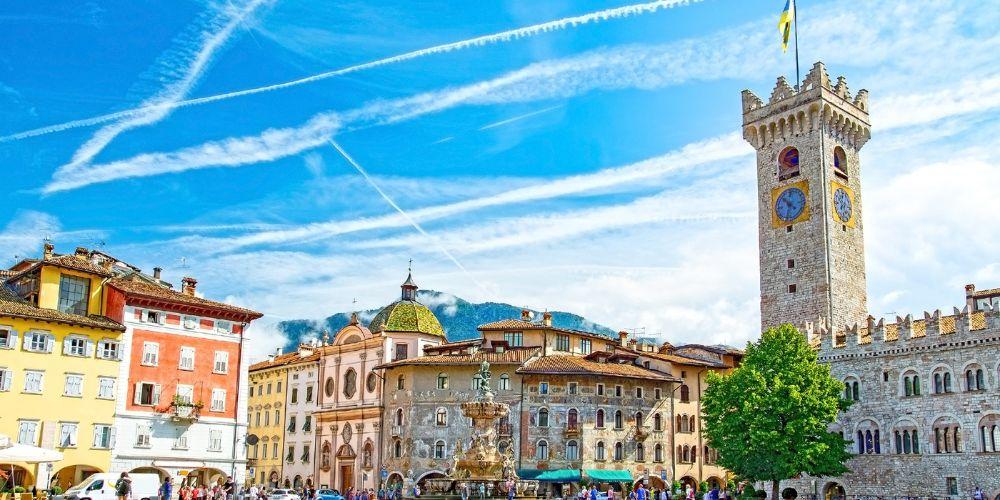
The Do the Right Thing Fair in Trento has firmly established itself as a catalyst for social change, bringing together businesses, non‑profits, innovators, students, and citizens with a shared goal: to promote a fairer, more equitable world. Among its core pillars, sustainability stands out not just as a theme but as a practice woven into every level of the event. Through partnerships, programming, community engagement, and long‑term visions, the fair emphasizes how environmental care and social responsibility are inseparable. At the heart of this initiative is the work showcased on https://falacosagiustatrento.org/, a platform dedicated to justice, sustainability, and local action in the Trento area.
Sustainability at the Do the Right Thing Fair goes far beyond the usual buzzword. In Trento, sustainability is embraced as a comprehensive approach that includes environmental stewardship, economical responsibility, cultural preservation, and social equity. This holistic interpretation touches everything from the design of the fair’s physical space to its educational sessions to the types of organizations involved. By centering sustainability in both theory and practice, the fair invites visitors to rethink how their daily choices contribute to the wellbeing of communities and the planet.
Understanding Sustainability in a Fair Context
Sustainability in the context of a fair like the one in Trento involves a blend of environmental practices and ethical commitments. It starts with minimizing the ecological footprint of the event itself: reducing waste, prioritizing renewable resources, encouraging sustainable mobility, and selecting vendors committed to eco‑friendly operations. Yet it also extends to the fair’s mission of promoting just practices across society—whether in business, education, or personal conduct.
This broad scope recognizes that environmental issues cannot be isolated from social ones. Climate change disproportionately affects vulnerable communities, and unfair economic systems often exploit natural and human resources alike. Therefore, by bridging environmental concerns with social justice, the fair becomes a living demonstration of sustainability in action.
Sustainable Logistics and Infrastructure
From the moment attendees step onto the fairgrounds, they encounter a space thoughtfully organized with sustainability in mind. Instead of single‑use plastics and disposable materials, the fair prioritizes reusable, recyclable, and locally sourced options. Waste sorting stations are visible throughout the venue, supported by volunteers who guide visitors in separating recyclables, compostables, and general waste. Water refill stations reduce the need for bottled water, and signage encourages mindful consumption.
The infrastructure itself often highlights green technologies or designs. Solar‑powered installations, energy‑efficient lighting, and adaptable, low‑impact staging illustrate how sustainable principles can be applied in real‑world contexts. Even the fair’s layout aims to reduce unnecessary travel distances, encouraging walking, biking, or public transit as preferred modes of transport for participants. In this way, sustainability isn’t just a concept discussed at panels—it’s a tangible part of the visitor experience.
Collaborations That Highlight Shared Responsibility
The success of sustainability efforts at the Do the Right Thing Fair relies heavily on collaboration. Local institutions, municipalities, grassroots movements, businesses, and educational organizations all contribute perspectives and resources. Among these collaborators, the network represented by https://falacosagiustatrento.org/ plays a key role in bridging local activism with broader fair initiatives. That platform, dedicated to promoting justice and equity in Trento, helps connect individuals and organizations that share a commitment to sustainable development.
These partnerships allow sustainability to permeate discussions beyond environmental conservation. Workshops explore topics such as ethical consumption, fair trade, social innovation, circular economies, food sovereignty, and worker rights. Rather than isolating environmental sustainability as a standalone subject, the fair integrates it with discussions about economics, ethics, and public policy. This approach encourages participants to view sustainability as deeply interconnected with human welfare.
Education and Awareness
A central goal of the Do the Right Thing Fair is to educate and inspire. Sustainability sessions are designed not just to inform but to empower participants to implement changes in their own lives and communities. Interactive workshops invite hands‑on learning about urban gardening, zero‑waste living, renewable energy, and social entrepreneurship. These sessions vary in style, from expert‑facilitated discussions to collaborative art projects that explore themes of environmental justice.
Panel discussions with local leaders, activists, and scientists create space for in‑depth exploration of the challenges and opportunities related to sustainability. These discussions often reference successful initiatives in Trento and elsewhere, offering real examples of sustainable practices in action. The presence of youth groups and student volunteers underscores the fair’s role in shaping future generations’ understanding of sustainability—not merely as a trend but as a responsibility.
Encouraging Ethical Consumption
The fair also serves as a marketplace for ethical consumption. Exhibitors include eco‑friendly artisans, fair‑trade producers, sustainable tech startups, and organizations advocating for resource conservation. Visitors are encouraged to engage with products and services that prioritize ethical supply chains, reduced environmental impact, and community benefit.
This marketplace is more than a commercial space; it acts as a living classroom on the possibilities of sustainable living. Rather than passive consumption, attendees are encouraged to engage critically with what they buy, understand the lifecycle of products, and prioritize choices that align with their values. Such engagement supports local economies and promotes businesses that adhere to sustainability principles.
Community Engagement and Social Equity
Sustainability at the Do the Right Thing Fair also encompasses efforts to include voices that are often marginalized. Outreach initiatives ensure participation from diverse socioeconomic backgrounds, and special programs are tailored to involve immigrant communities, people with disabilities, and youth groups. Programs hosted in collaboration with https://falacosagiustatrento.org/ emphasize inclusive participation, reinforcing that sustainability must consider social inclusion if it is to be meaningful.
By fostering dialogues about equitable access to resources, employment opportunities, cultural heritage, and environmental protection, the fair makes clear that true sustainability must uplift entire communities. This reinforces the idea that sustainability is not only about protecting nature but also about building systems that support dignity, justice, and quality of life for all.
Long‑Term Impact Through Follow‑Up and Networks
The influence of the fair does not end when the event closes. Organizers and partners invest in follow‑up activities, ongoing workshops, and networks to sustain momentum throughout the year. These networks help participants stay connected, exchange ideas, and implement community projects inspired by the fair. Sustainable living challenges, volunteer groups, and peer‑to‑peer support systems become part of a larger ecosystem of change.
Platforms like https://falacosagiustatrento.org/ assist in maintaining these connections and expanding the fair’s impact. By offering a centralized space for resources, event updates, and community stories, the platform helps transform one‑time participation into long‑term commitment. In this way, sustainability becomes a continual journey rather than a single event.
Measuring Success and Facing Challenges
Measuring the success of sustainability efforts involves both qualitative and quantitative approaches. Organizers track metrics such as waste diverted from landfills, number of participants engaged in sustainability workshops, and partnerships formed during the event. Surveys and feedback help refine future programs, ensuring that sustainability practices evolve in response to community needs.
However, challenges remain. Balancing large attendance with environmental goals requires constant adjustment. Encouraging widespread adoption of sustainable choices necessitates tackling entrenched habits and socioeconomic barriers. Yet each year, the fair evolves, learning from past experiences and expanding its influence in the region.
A Model for Sustainable Community Events
The Do the Right Thing Fair in Trento stands as a model for how sustainability can be integrated into community events in meaningful, practical ways. It demonstrates that sustainability is not a standalone theme, but an ongoing practice rooted in collaboration, education, inclusion, and ethical action. By combining environmental care with social justice principles, the fair offers a blueprint for other communities seeking to design events that inspire and enact positive change.
At its core, sustainability at this fair is about connection: between people and their environment, between local action and global awareness, and between intention and implementation. Through initiatives supported by networks like that found at https://falacosagiustatrento.org/, sustainability becomes a living practice that resonates long after the fair ends, carrying lessons and commitments into everyday life.