
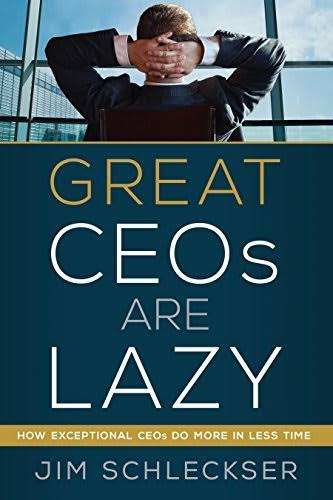
Building a successful company is not simply about having a great product, attracting customers, or generating strong profits. Sustainable success depends heavily on leadership. The decisions made by a chief executive officer can influence company culture, employee great CEOs performance, innovation, customer loyalty, and long-term growth. While many executives can achieve short-term results, great CEOs focus on creating organizations that remain strong, adaptable, and valuable for years to come.
The difference between an average CEO and one who builds lasting success often comes down to mindset, consistency, strategic thinking, and the ability to bring people together around a meaningful vision.
They Think Beyond Short-Term Results
Great CEOs understand that sustainable growth requires patience. Instead of making every decision based on immediate profits, they consider how their choices will affect the company several years into the future.
This long-term approach helps leaders invest in research, employee development, technology, customer relationships, and strong business systems. Although these investments may not produce instant results, they can create a stronger foundation for future growth.
A CEO who constantly focuses on quarterly numbers may overlook important opportunities. In contrast, long-term thinking allows leaders to balance today’s performance with tomorrow’s possibilities.
They Build a Strong Company Culture
Company culture is one of the most important factors behind lasting organizational success. Great CEOs recognize that employees perform better when they understand the company’s purpose and feel respected for their contributions.
Strong leaders establish clear values and demonstrate those values through their own behavior. If a CEO expects honesty, accountability, teamwork, and innovation, those qualities must be visible in leadership decisions.
A healthy culture also encourages employees to communicate openly, share ideas, and learn from mistakes. When people feel trusted and valued, they are more likely to take ownership of their responsibilities and contribute to the company’s growth.
They Hire People Who Can Make Them Better
Successful CEOs know they cannot do everything themselves. Instead of surrounding themselves with people who simply agree with them, great CEOs build teams with different skills, experiences, and perspectives.
Hiring talented people is only the beginning. Effective leaders also give their teams enough authority to make decisions and solve problems independently. This creates a more capable organization and prevents the CEO from becoming a bottleneck.
Great CEOs are comfortable hiring people who are experts in areas where they have limited knowledge. They understand that strong leadership is not about being the smartest person in every room. It is about creating a team that collectively has the knowledge needed to succeed.
They Adapt to Change
Markets, technologies, customer expectations, and competitive conditions can change quickly. Companies that refuse to adapt can struggle even when they have previously achieved major success.
Great CEOs remain alert to changing conditions and are willing to adjust their strategies when necessary. They listen to customers, monitor industry developments, study competitors, and encourage employees to identify emerging opportunities.
Adaptability does not mean abandoning every plan whenever something changes. Instead, it means understanding which principles should remain consistent and which strategies need to evolve.
This balance allows companies to remain stable while still responding effectively to new challenges.
They Make Decisions With Confidence and Responsibility
Every CEO faces difficult decisions. Some involve financial investments, hiring, expansion, product development, or changes to company strategy. Waiting too long can sometimes be as damaging as making the wrong decision.
Great CEOs gather relevant information, listen to knowledgeable people, evaluate risks, and then make decisions with confidence. They also accept responsibility for the results.
Importantly, strong leaders do not pretend that every decision will be perfect. When something goes wrong, they study what happened, identify lessons, and make improvements rather than searching for someone to blame.
This creates an environment where employees can learn and improve without being afraid of every mistake.
They Stay Close to Customers
A company cannot achieve lasting success without understanding the people it serves. Great CEOs make customer needs an important part of their decision-making process.
They pay attention to customer feedback, complaints, changing preferences, and emerging expectations. This information can reveal opportunities for improving products, services, and overall experiences.
Leaders who remain connected to customers are also more likely to recognize problems before they become serious. Customer awareness helps businesses remain relevant and competitive in changing markets.
They Prioritize Innovation
Innovation is not limited to inventing a completely new product. It can involve improving processes, adopting better technology, finding new ways to serve customers, or developing more efficient business models.
Great CEOs create environments where employees are encouraged to think creatively. They understand that innovation requires experimentation and that not every idea will succeed.
Instead of treating unsuccessful experiments as wasted effort, strong leaders use them as learning opportunities. This mindset can help companies continuously improve and discover new sources of growth.
They Communicate Clearly
Even the best strategy can fail if employees do not understand it. Great CEOs communicate their goals, expectations, priorities, and challenges clearly.
Effective communication is not simply about giving speeches. It involves listening as well. Employees often have valuable information about customers, operations, and problems that senior executives may not see directly.
When leaders communicate openly and listen carefully, they create stronger connections throughout the organization. Clear communication also reduces confusion and helps teams work toward common objectives.
They Develop Future Leaders
A company becomes more resilient when leadership does not depend entirely on one person. Great CEOs understand the importance of developing future leaders within the organization.
They provide employees with opportunities to take responsibility, develop skills, manage projects, and make important decisions. Mentoring and professional development can prepare talented employees for larger roles.
Leadership development also helps ensure that the company’s knowledge and values continue even when senior executives eventually move on.
They Lead With Integrity
Trust is one of the most valuable assets a CEO can build. Employees, customers, investors, and business partners are more likely to support leaders who consistently act with honesty and integrity.
Great CEOs understand that reputation is built over time but can be damaged quickly. They keep commitments, communicate honestly, and make decisions based on strong principles rather than convenience alone.
Integrity also means treating people fairly and accepting responsibility when things do not go as planned. These behaviors create credibility and strengthen relationships across the organization.
They Never Stop Learning
The business world constantly changes, which means successful CEOs must continue learning. Great leaders remain curious about new technologies, management practices, customer behaviors, economic developments, and industry trends.
They learn from books, experts, employees, customers, competitors, and their own experiences. More importantly, they remain willing to challenge their assumptions.
Continuous learning allows CEOs to make better decisions and recognize opportunities that others may overlook.
Conclusion
Lasting business success is rarely created by one brilliant decision. It is built through consistent leadership, thoughtful strategy, strong relationships, and a willingness to adapt. Great CEOs understand that their role extends far beyond managing financial performance. They are responsible for creating an environment where people can perform at their best and where the organization can continue growing.
By thinking long term, developing talented teams, listening to customers, encouraging innovation, communicating clearly, and leading with integrity, CEOs can build companies that are prepared for challenges as well as opportunities. The strongest leaders do not simply create successful businesses for today. They build organizations capable of succeeding for many years to come.
