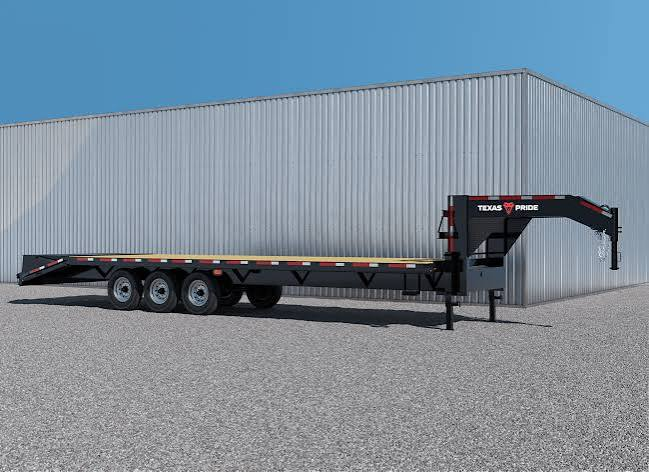
A Flat Bed Trailor is a versatile transportation solution designed to carry a wide variety of heavy, oversized, and irregularly shaped loads. Unlike enclosed trailers, flatbed trailers have an open deck with no fixed sides or roof, making loading Flat Bed Trailor and unloading much easier. They are widely used in construction, agriculture, manufacturing, logistics, and other industries where transporting large equipment and materials is part of everyday operations.
Understanding the features, uses, and benefits of a Flat Bed Trailor can help businesses choose the right equipment for their transportation needs. From carrying construction machinery to moving industrial materials, these trailers offer flexibility, convenience, and reliable performance.
What Is a Flat Bed Trailor?
A Flat Bed Trailor is a trailer with a completely open and level platform. It is generally connected to a truck or tractor unit and is designed to transport cargo that may not fit inside a traditional enclosed trailer. The absence of sidewalls allows cargo to be loaded from the rear, sides, or even from above using cranes and other lifting equipment.
Flatbed trailers are available in different sizes, configurations, and weight capacities. Their construction typically includes a strong steel or aluminum frame, durable flooring, axles, suspension components, tires, and a braking system. Depending on the application, additional equipment such as ramps, tie-down points, and removable components may also be included.
Key Features of a Flat Bed Trailor
Open and Accessible Deck
One of the most important features of a Flat Bed Trailor is its open deck. Without fixed walls or a roof, operators can load large items from multiple directions. This is especially useful when transporting machinery, building materials, pipes, steel products, and other oversized cargo.
Strong Construction
Flatbed trailers are built to handle demanding transportation conditions. Heavy-duty steel frames and reinforced decks provide the strength required to support substantial loads. The quality of construction also contributes to stability and durability during long-distance transportation.
Flexible Loading Options
The open design allows forklifts, cranes, and other lifting equipment to access cargo easily. Materials can be loaded from either side or from the rear, depending on the available space and equipment. This flexibility can save time during loading and unloading operations.
Multiple Size and Capacity Options
Flatbed trailers are manufactured in different lengths, widths, and weight capacities. Businesses can select a model according to the type and size of cargo they regularly transport. Choosing an appropriate capacity is essential for safe and efficient transportation.
Secure Tie-Down Points
Many flatbed trailers include strategically positioned tie-down points. These allow operators to secure cargo using chains, straps, binders, and other approved restraint systems. Proper cargo securement helps reduce movement during transportation.
Common Uses of Flat Bed Trailor
Construction Equipment
Construction companies frequently use flatbed trailers to transport excavators, loaders, generators, compressors, and other equipment. The open deck makes it easier to position machinery on the trailer and secure it for transportation.
Transportation of Building Materials
Materials such as lumber, steel beams, pipes, concrete products, roofing materials, and construction components can be transported efficiently on a flatbed trailer. Long or unusually shaped materials can often be accommodated more easily than they would be in enclosed trailers.
Agricultural Applications
Farmers and agricultural businesses can use flatbed trailers for transporting tractors, farming equipment, hay, fencing materials, and other supplies. Their versatility makes them useful for both local transportation and longer-distance hauling.
Industrial Cargo
Manufacturing and industrial companies often need to move heavy machinery, metal products, fabricated components, and oversized equipment. A Flat Bed Trailor provides the open space and load capacity needed for many of these applications.
Oversized and Irregular Loads
Some cargo cannot be conveniently placed inside an enclosed trailer because of its dimensions or shape. Flatbed trailers provide an open platform that can accommodate many irregularly shaped loads while allowing easier access for loading equipment.
Benefits of Using a Flat Bed Trailor
Faster Loading and Unloading
The open design allows cargo to be accessed from several directions. This can reduce loading and unloading time, particularly when forklifts or cranes are used. Faster handling can improve overall transportation efficiency.
Greater Cargo Flexibility
A Flat Bed Trailor can accommodate many different types of cargo. From heavy machinery to long construction materials, its adaptable design makes it suitable for industries with changing transportation requirements.
Easy Access to Cargo
Because there are no permanent walls surrounding the deck, workers can access the cargo more conveniently. This can be particularly valuable when cargo needs to be inspected, adjusted, or unloaded at different locations.
Efficient Transportation of Oversized Items
Large and bulky loads can be difficult to transport using enclosed trailers. Flatbed trailers offer more usable space and fewer physical restrictions, making them a practical option for oversized transportation.
Durable Performance
High-quality flatbed trailers are designed for demanding environments. When properly maintained and operated within their rated capacity, they can provide dependable service for many years.
How to Choose the Right Flat Bed Trailor
Choosing the correct trailer depends on several factors. First, consider the weight and dimensions of the cargo you plan to transport. The trailer’s deck length, width, and maximum load capacity should be appropriate for the intended applications.
Next, consider the type of loading equipment available. If your operation regularly uses cranes or forklifts, an open flatbed design can provide significant convenience. You should also examine the trailer’s frame, flooring, suspension, axles, tires, brakes, and cargo-securement points.
The operating environment is another important consideration. Businesses transporting equipment over long distances may require a heavy-duty model with components designed for frequent use. For specialized applications, additional features such as ramps, extensions, removable components, or reinforced decks may be useful.
Maintenance Tips for Flatbed Trailers
Regular maintenance is essential for safe and dependable trailer operation. Inspect the tires frequently for proper inflation, tread condition, and signs of damage. Brakes, lights, suspension components, and wheel assemblies should also be checked regularly.
The trailer deck should be inspected for cracks, corrosion, loose components, or structural damage. Tie-down points and cargo restraints should remain in good condition because they play an important role in securing loads.
Keeping the trailer clean can also help identify problems early. Regular inspections and timely repairs can extend the service life of the trailer and reduce the likelihood of unexpected breakdowns.
Safe Loading and Cargo Securement
Safety should always be a priority when operating a Flat Bed Trailor. Cargo should be distributed evenly across the deck to maintain proper balance and stability. Loads should never exceed the trailer’s rated capacity.
Appropriate chains, straps, binders, and other securement equipment should be selected according to the cargo and applicable transportation requirements. Operators should inspect the load before departure and periodically during long journeys when appropriate.
It is also important to ensure that cargo does not create unnecessary hazards for other road users. Properly securing and positioning the load helps reduce shifting and improves overall transportation safety.
Conclusion
A Flat Bed Trailor offers a practical and flexible way to transport heavy, oversized, and irregularly shaped cargo. Its open deck, strong construction, flexible loading options, and wide range of applications make it valuable across construction, agriculture, manufacturing, and logistics industries.
By selecting the right size and capacity, maintaining the trailer properly, and following appropriate cargo-securement practices, businesses can improve transportation efficiency while protecting their equipment and materials. For companies that regularly handle bulky or difficult-to-load cargo, a flatbed trailer can be a highly useful and dependable transportation investment.