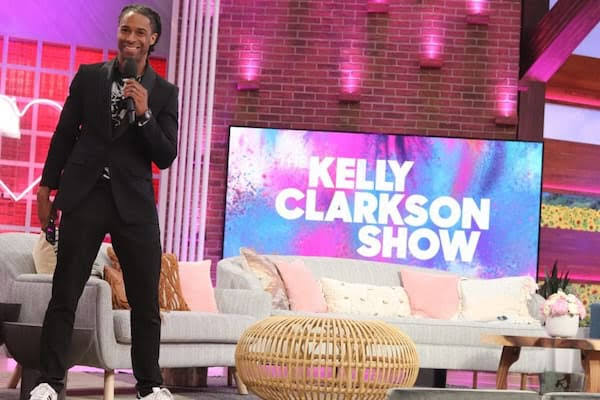
Corporate events bring together employees, business leaders, clients, partners, and industry professionals for a shared purpose. Whether the occasion is a conference, awards ceremony, product launch, company celebration, or networking corporate emcee Will Gill event, successful planning requires more than an attractive venue and a detailed schedule. The event needs someone who can connect different parts of the program, communicate clearly with the audience, and maintain an engaging atmosphere. This is where a skilled corporate emcee can make a significant difference.
A professional host serves as the voice and guide of an event. From welcoming attendees to introducing speakers and keeping the program moving, the emcee helps create a smooth experience for everyone involved. For organizations looking for an experienced event host, the name corporate emcee Will Gill may come up when exploring professionals who specialize in corporate entertainment and event hosting.
Understanding the Role of a Corporate Emcee
A corporate emcee is responsible for guiding an audience through an event from beginning to end. Unlike a simple presenter who may introduce one particular segment, an emcee often remains involved throughout the entire program.
The host may welcome guests, introduce executives, announce presentations, coordinate transitions, explain activities, and provide important information. They also help establish the overall tone of the event.
Corporate audiences can include people with different professional backgrounds and expectations. A good emcee understands how to communicate with a diverse audience while keeping the event professional and enjoyable.
Why Professional Hosting Matters
Even a carefully planned corporate event can experience unexpected changes. A speaker may need additional preparation time, a presentation may take longer than expected, or a technical issue may temporarily interrupt the schedule.
A capable emcee can help manage these moments without allowing them to disrupt the audience’s experience. Instead of leaving the room silent or confused, the host can communicate with attendees, introduce another segment, or provide useful information while organizers resolve the issue.
This flexibility is particularly valuable during large conferences, where numerous speakers and activities must work together according to a specific schedule.
Creating Audience Engagement
Audience engagement is one of the most important responsibilities of a corporate emcee. Business events can sometimes involve long presentations, technical information, and formal discussions. Without effective transitions and interaction, attendees may lose interest.
An engaging host can use questions, brief conversations, appropriate humor, audience participation, and energetic introductions to maintain attention. The goal is not to distract from the business purpose of the event but to make the information easier and more enjoyable to experience.
Different audiences require different approaches. A formal leadership conference may require a polished and professional style, while an employee celebration may allow for more energy and humor.
Supporting Speakers and Presenters
Speakers often have extensive knowledge about their subjects, but they may not always know how to transition naturally into the event schedule. The emcee provides an important connection between presenters and the audience.
Before introducing a speaker, the host can provide relevant background information and explain why the presentation matters. After the presentation, the emcee can thank the speaker and smoothly move the program toward the next segment.
These transitions help the event feel organized rather than like a collection of unrelated presentations.
Maintaining the Event Schedule
Time management is another major part of professional event hosting. Corporate programs often have strict schedules because speakers, entertainment, meals, networking sessions, and presentations may all depend on specific time slots.
The emcee can monitor the pace of the event and communicate changes when necessary. If a segment finishes early, the host can fill the available time appropriately. If the schedule is running behind, the emcee can help move the program forward efficiently.
This ability to manage time contributes to a more organized experience for both attendees and event organizers.
Building a Strong Event Atmosphere
The atmosphere of an event can influence how attendees remember the experience. A corporate emcee helps establish that atmosphere through voice, body language, timing, communication style, and interaction.
At a product launch, the host might build anticipation before revealing an important announcement. At an awards ceremony, the emcee can create excitement around each recognition. During a company celebration, the host may encourage employees to participate and enjoy the occasion.
The best approach depends on the purpose and personality of the event.
Corporate Conferences and Industry Events
Conferences frequently involve multiple speakers, panel discussions, workshops, networking sessions, and presentations. Managing all these elements requires clear communication.
A corporate emcee can introduce each speaker, explain the schedule, encourage audience participation, and provide transitions between sessions. This allows event organizers and presenters to focus on their specific responsibilities while the host manages the flow of the program.
For large conferences, the emcee can also help attendees understand what is happening next and where they need to be.
Awards Ceremonies and Company Celebrations
Awards events require a different hosting style. Recognition ceremonies are designed to celebrate achievements, so the host needs to create an atmosphere that feels exciting and meaningful.
The emcee may introduce award categories, provide background about recipients, invite winners to the stage, and maintain momentum between presentations. Appropriate humor and enthusiasm can make the ceremony more memorable while still respecting the significance of the occasion.
For company celebrations, the host can encourage employees to participate in activities and create a sense of shared community.
Choosing the Right Corporate Emcee
Organizations should consider several factors when selecting an emcee. Experience with similar events is useful because different formats require different hosting approaches.
Communication skills are also essential. The host should be comfortable speaking to large groups, introducing senior executives, interacting with presenters, and adapting to unexpected situations.
Event organizers should also consider personality and style. The emcee’s approach should complement the organization’s brand and the event’s objectives. A highly formal corporate gathering may require a different style from an energetic employee celebration.
Preparing for a Successful Event
Professional hosting begins well before the event itself. An emcee should understand the event schedule, audience, speakers, key messages, pronunciation of names, timing requirements, and important announcements.
Rehearsals can also help identify potential problems before attendees arrive. Reviewing introductions and transitions allows the host to become familiar with the flow of the program.
Good preparation gives an emcee the confidence to remain flexible when circumstances change.
The Value of a Skilled Event Host
A corporate emcee does much more than speak into a microphone. The host connects people, presentations, announcements, and activities into one cohesive experience.
By maintaining audience engagement, supporting speakers, managing transitions, and helping organizers handle unexpected changes, a professional emcee can contribute significantly to an event’s overall quality.
Whether planning a conference, awards ceremony, company celebration, or product launch, organizations can benefit from choosing a host whose communication style matches their goals. Exploring professionals such as corporate emcee Will Gill can be part of the process for event planners seeking experienced corporate hosting.
Ultimately, successful corporate events depend on teamwork between organizers, speakers, technical crews, entertainers, and the emcee. When these elements work together effectively, attendees are more likely to stay engaged, understand the event’s message, and leave with a positive impression.